Expense Tracker - Printable
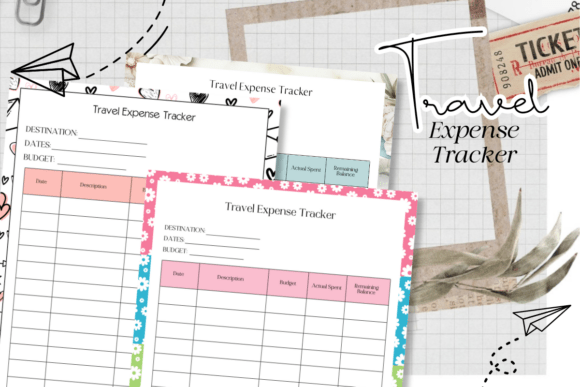
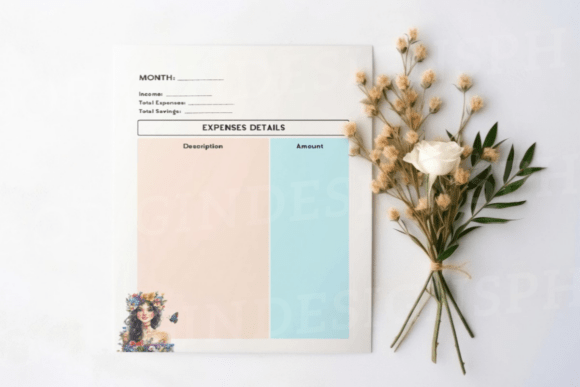
A printable expense tracker is a digital PDF document designed to help individuals record, categorize, and review income and spending manually—on paper. The Expense Tracker - Printable is a curated collection of three distinct, ready-to-print layouts (8.5 x 11 inches), each optimized for clarity and ease of use. It is not software or an app; it requires no subscription, login, or device connectivity. Instead, users download the file, print it, and begin tracking with pen and paper.
This type of tool appeals to people who value simplicity, privacy, and tactile engagement in budgeting. It’s especially relevant for those who find digital apps overwhelming, distracting, or overly complex—or who prefer a low-tech method that supports intentional reflection over automated data entry.
Why Consider a Printable Expense Tracker?
Many people struggle with inconsistent budgeting because their system doesn’t match their habits. A digital app may offer real-time syncing and alerts—but also demands consistent input, internet access, and ongoing attention to notifications. In contrast, a printable tracker offers immediacy without dependency: one printout can last a month, and reviewing it involves physically flipping pages and highlighting patterns—a process that often reinforces memory and awareness.
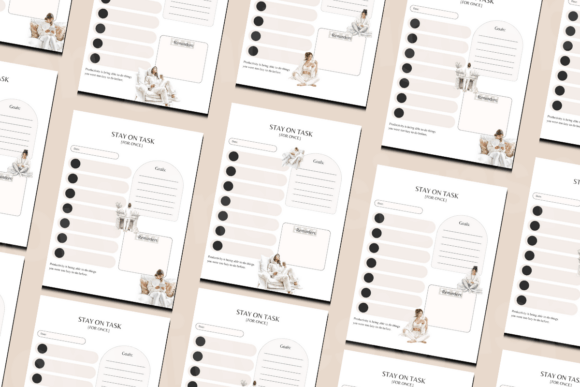
The Expense Tracker - Printable supports this by offering three design variations—differing in layout, visual hierarchy, and category groupings—so users can choose based on how they naturally think about money. One may emphasize daily spending, another focuses on weekly income vs. fixed expenses, and a third uses color-friendly sections for quick scanning. This flexibility helps reduce friction during adoption.
Key Benefits—and Realistic Expectations
Gaining control begins with visibility. Writing down every transaction—even small ones—creates a concrete record that reveals behavioral patterns over time. Unlike automatic bank feeds, manual entry encourages pause and judgment: “Do I really need this?” That moment of reflection is where habit change often starts.
Saving money follows naturally when recurring leaks become visible—like unused subscriptions, frequent takeout, or impulse purchases. However, the tracker itself doesn’t cut costs; it surfaces opportunities. Users must still decide which categories to adjust and follow through consistently.
Reaching financial goals becomes more achievable when short-term actions align with long-term targets—such as saving for a vacation or paying down debt. The printable format allows goal-setting at the top of each sheet and progress tracking beside it, reinforcing intentionality. Yet it does not forecast outcomes or calculate compound interest—those tasks require external tools or manual math.
Reducing stress comes from predictability—not perfection. Because the Expense Tracker - Printable has no error messages, sync failures, or update prompts, it avoids common digital pain points. Still, consistency depends on user discipline. Skipping entries or delaying reviews can diminish usefulness, just as with any manual system.
Practical Use Cases Where It Fits Well
The Expense Tracker - Printable is well-suited for individuals who:
- Prefer analog workflows—such as journalers, bullet planners, or educators integrating budgeting into classroom activities;
- Want to minimize screen time or avoid sharing financial data online;
- Are testing budgeting concepts before committing to a paid app or service;
- Need a lightweight solution for short-term goals (e.g., tracking wedding expenses, a home renovation fund, or student loan repayment);
- Operate small businesses or side gigs where simple cash-based recordkeeping suffices—and where printed logs meet basic documentation needs.
It’s also appropriate for print-on-demand (POD) sellers and small print shops, as the license permits physical resale (e.g., bound notebooks or pre-printed pads) via platforms like Amazon KDP, Printful, or RedBubble—provided customers receive only printed copies, never the source PDF.
Situations Where Alternatives May Be More Appropriate
Digital tools—whether free apps like Mint or spreadsheet templates—offer advantages when users need automation, multi-device access, or integration with banking data. If your income or expenses fluctuate significantly week-to-week, or if you manage shared finances across households, a collaborative cloud-based solution may provide better scalability and accuracy.
Similarly, those seeking tax preparation support, receipt scanning, or detailed reporting (e.g., year-over-year comparisons, net worth calculations) will likely outgrow a static printable format. Spreadsheets offer more customization and calculation power, while dedicated finance software provides audit trails and compliance features essential for freelancers or small business owners with complex deductions.
Also note: because the Expense Tracker - Printable is delivered as a fixed PDF, users cannot edit fields, add rows, or modify formulas. If adaptability matters—such as adding custom categories or adjusting date ranges—editable formats (like Excel or Google Sheets) would be more suitable.
Making an Informed Choice
Before choosing the Expense Tracker - Printable, consider two questions:
- What behavior do I want to reinforce? If the goal is mindful spending through deliberate, reflective recording, then a printed format supports that aim. If the goal is passive monitoring or minimizing effort, automation may be more effective—even if it requires initial setup.
- What level of fidelity do I need? For general awareness and monthly summaries, the printable tracker delivers reliably. For granular analysis—like tracking mileage reimbursements, project-specific costs, or VAT breakdowns—it lacks the structure to handle complexity without significant manual adaptation.
Also keep licensing constraints in mind. While the product allows commercial printing and POD distribution, reselling the digital file—or offering it as a free download—is prohibited. Anyone planning to incorporate it into a broader offering should verify compliance with platform-specific policies (e.g., Amazon KDP’s content guidelines) and ensure final products are physically fulfilled only.
In summary, the Expense Tracker - Printable serves a specific niche: people seeking an accessible, private, and visually grounded way to begin or sustain budgeting practice. Its strength lies in simplicity—not sophistication. It won’t replace comprehensive financial planning tools, but it can serve as a valuable starting point, a complementary habit-builder, or a thoughtful component within a larger personal finance strategy.