Bullet Journal: Your Personal Haven
At its core, a Bullet Journal is more than lined paper and dotted grids—it’s a living system built around your rhythms, not rigid templates. Developed by Ryder Carroll as a method to manage attention—not just tasks—it invites intentionality through rapid logging, modular collections, and iterative reflection. Unlike pre-printed planners, it doesn’t assume your priorities; it adapts as your goals, energy, or seasons shift. That flexibility makes it resonate across wildly different lives—whether you’re sketching a logo idea at 2 a.m., reviewing student progress mid-semester, or mapping out your first Etsy launch.
Why “Personal Haven” Isn’t Just Marketing Speak
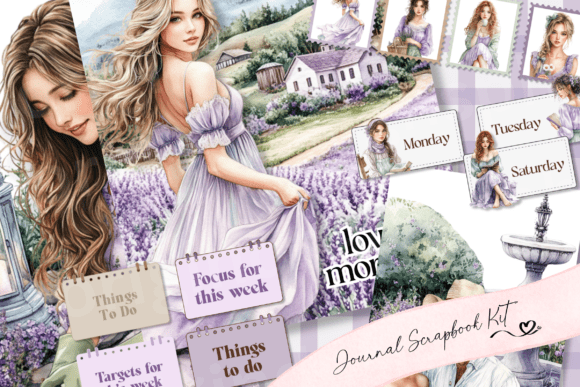
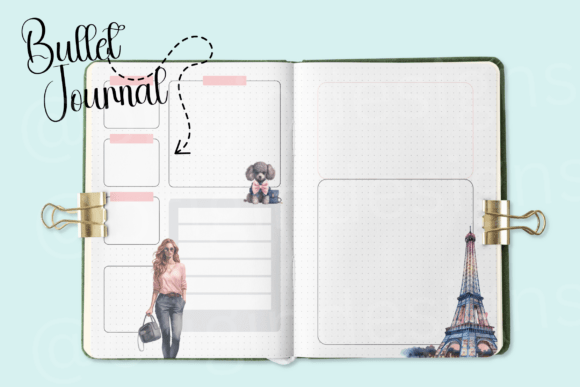
When we say this Bullet Journal is your personal haven, we mean it literally: it’s designed to support presence over productivity. The subtle Parisian aesthetic—soft watercolor accents, gentle serif typography, and open layouts—doesn’t distract. Instead, it creates psychological space. That matters whether you’re pausing between Zoom calls or sitting quietly with your morning coffee before the world wakes up. The design isn’t about looking pretty on a shelf. It’s about lowering the threshold to open the book—even when you’re tired, overwhelmed, or unsure where to start.
Beginners & Mindful Practitioners
If you’ve tried five planners and abandoned them all, this version meets you where you are. No pressure to fill every page. No judgment for skipping a week. Its clean dot-grid layout supports low-stakes experimentation: track hydration with three checkmarks, doodle a flower beside a thought, or leave half a spread blank. For those cultivating mindfulness, the act of handwriting—slowing down, choosing ink color, noticing the texture of paper—becomes part of the practice. You’re not just recording life; you’re showing up for it.
Freelancers & Solopreneurs
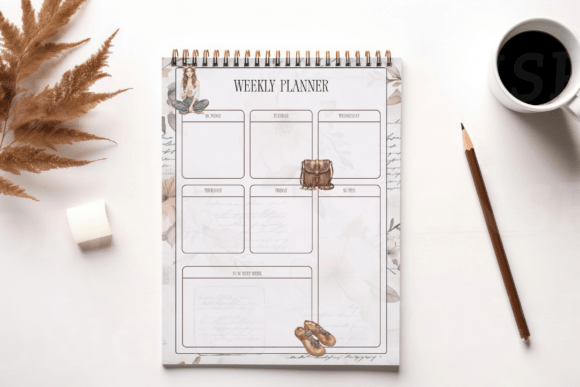
Your workflow shifts daily. One day you’re pitching clients, the next you’re editing video, then invoicing, then brainstorming your next offer. A static planner crumbles under that variability. This Bullet Journal works because you define each spread’s purpose: a time-blocked weekly view for deep work, a client tracker with status columns, a swipe file for copy ideas—all in one place. And because it’s digital-first, you can print only what you need—no wasted pages, no inventory stress.
Educators & Coaches
You don’t just plan lessons—you hold space for growth. Teachers use these journals to map curriculum pacing *and* note which students lit up during discussion. Life coaches adapt spreads to reflect client goals, journal prompts, or session summaries—without exposing sensitive notes in shared digital tools. The unlined side margins? Perfect for quick reflections after class or a call. The absence of branding or corporate tone keeps focus where it belongs: on people, not platforms.
Print-on-Demand Sellers & Small Publishers
This file was built with commercial integrity in mind—not as a loophole, but as clarity. You’re allowed to print and sell physical copies via KDP, Printful, or Gelato. You’re *not* allowed to resell the PDF, bundle it as a freebie, or upload it to Canva for others to edit. Why? Because thoughtful design has value—and creators deserve control over how their work moves through the world. If you run a stationery shop or teach creative entrepreneurship, this distinction matters. It means your customers receive a tangible, tactile experience—not a screen-saturated shortcut.
What Actually Matters When Choosing a Bullet Journal
Not all journals serve the same purpose—even if they look similar. Here’s what to weigh, based on your real-life needs:
- Ease of use: Beginners benefit from intuitive spacing and generous margins—not tiny fonts or cramped grids.
- Flexibility: Professionals juggling multiple roles need blank canvas energy, not fixed sections that force artificial categories.
- Print quality: If you’re producing physical books, CMYK-ready files, bleed-safe layouts, and 300 DPI resolution aren’t optional—they’re baseline.
- Creative room: Artists and writers need space for sketches, margin notes, and layered thinking—not just checkboxes.
- Long-term rhythm: Habit trackers only help if you return to them. Soft visual cues (like gentle line weights or breathing room between sections) encourage consistency without guilt.
A Few Real-Life Moments Where This Journal Fits Quietly—But Meaningfully
• A therapist uses the back section to draft compassionate journal prompts for clients—then tears out the page to handwrite them on cream-colored cardstock.
• A university lecturer prints two spreads per week: one for lecture prep, one for student feedback notes—keeping grading separate from inspiration.
• A parent recovering from burnout fills just one page a day: three things they noticed, two people they thanked, one small win—even if it’s “made tea without scrolling.”
• A ceramicist sketches glaze experiments in the margins while tracking kiln firings in a simple table she built herself.
• A content creator prints quarterly goal pages, binds them into a slim booklet, and leaves the rest blank—so the journal grows only as her projects do.
Is This the Right Fit for You?
Ask yourself:
– Do you prefer writing by hand but dislike rigid structures?
– Are you drawn to calm aesthetics—not as decoration, but as support for focus?
– Do you value intention over efficiency? (That is: caring *how* you move through time, not just *how much* you get done?)
– If you’re selling printed versions: does your business model rely on physical products—not digital downloads?
If yes to any of those, this isn’t just another journal. It’s infrastructure for attention. A quiet counterweight to notification culture. A place where “Parisian chic” isn’t about cliché cafés—it’s about honoring slowness, beauty, and choice in everyday moments.
Bring the magic home—not as spectacle, but as sanctuary.